








Nursery trends for 2026
As we settle into 2026, the trends of the year are beginning to take shape. While the baby market doesn’t shift as rapidly as fashion seasons, notable changes are emerging, particularly in materials, colours, and what parents are choosing to invest in. This year’s trends point towards longevity, flexibility and a more considered approach to nursery design. In this blog, we break down the key baby and nursery trends for 2026, helping you separate what’s truly worth buying into from what’s likely to date quickly.

The Year of the Stripe
At the end of 2025, one emerging trend we saw everywhere was stripes, across wallpaper, soft furnishings and printed textiles. Now, in 2026, the year of the stripe has fully arrived and shows no signs of fading. Stripes are appearing in all forms, from bold, statement-making bands to delicate pinstripes and softer, wavy patterns that add movement and charm.
This trend works particularly well in nurseries and children’s rooms because it allows parents to experiment with colour and pattern without committing to a full mural or heavily themed wall. Whether introduced through wallpaper panels, bedding, rugs or cushions, stripes feel playful yet timeless, and crucially, they grow well with your child.


Earthy Colours Take Centre Stage
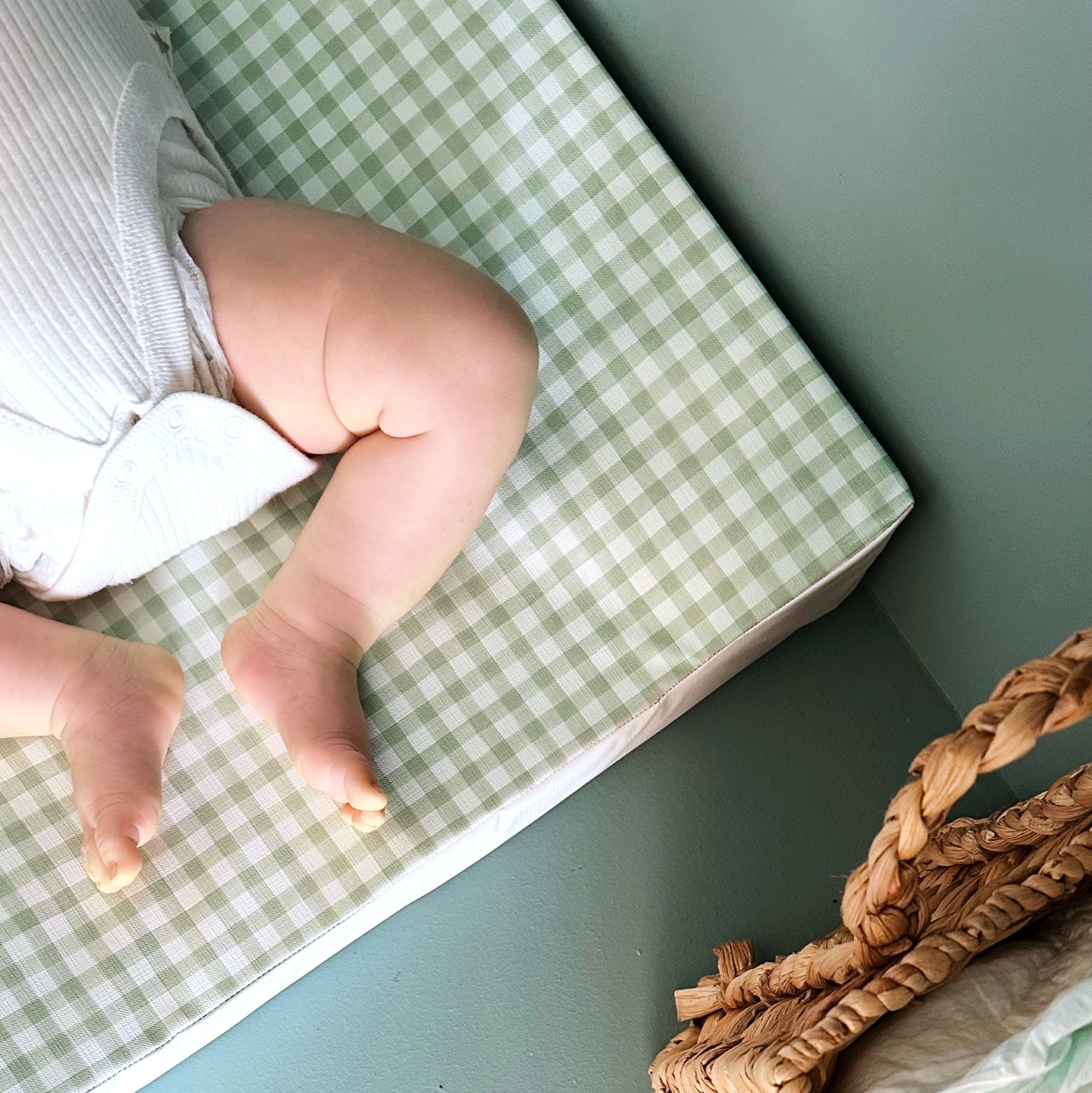
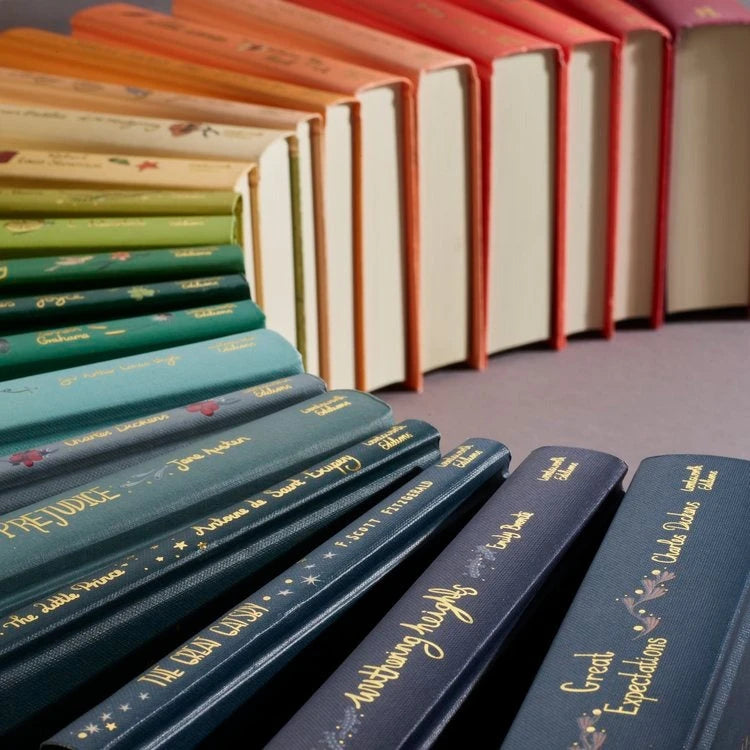
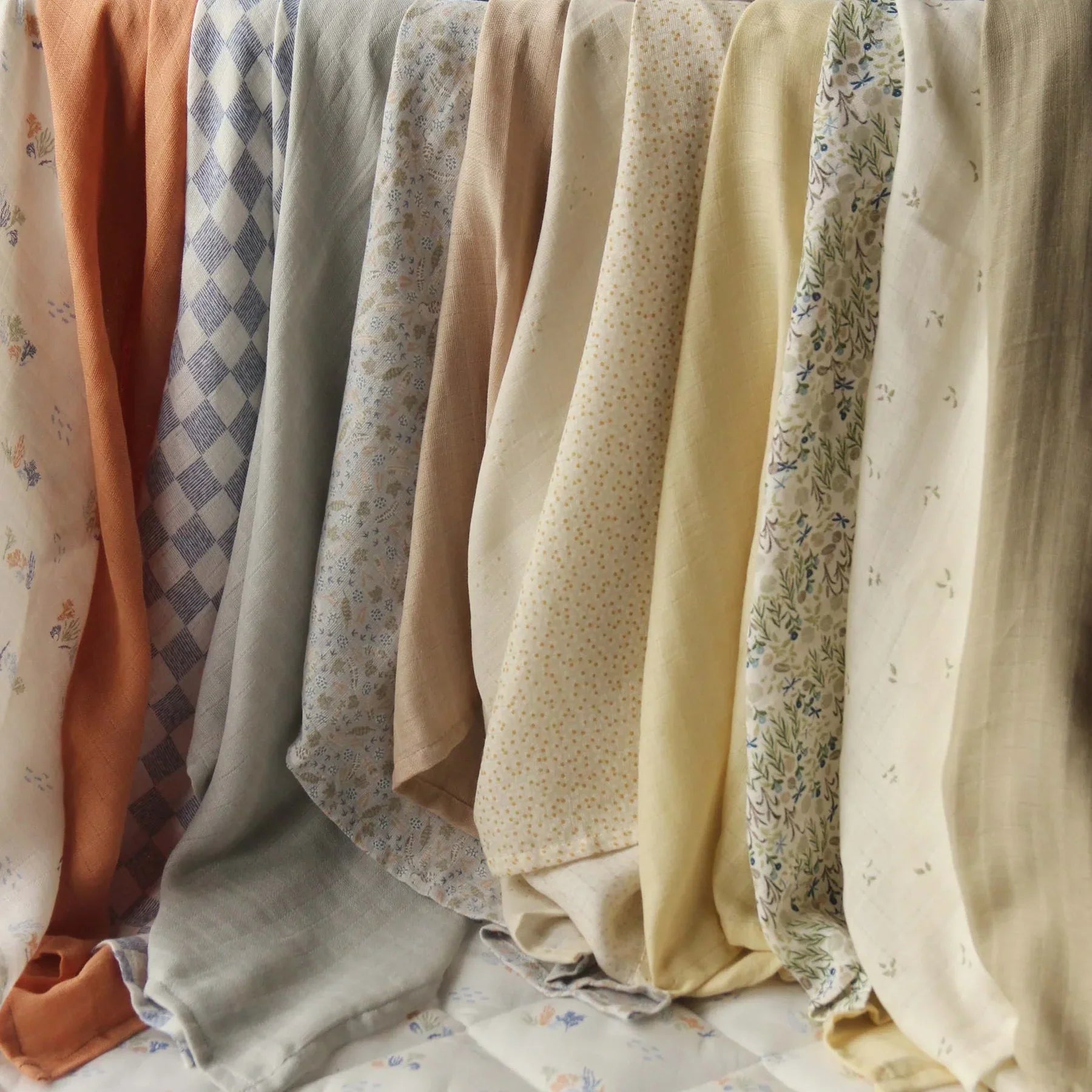
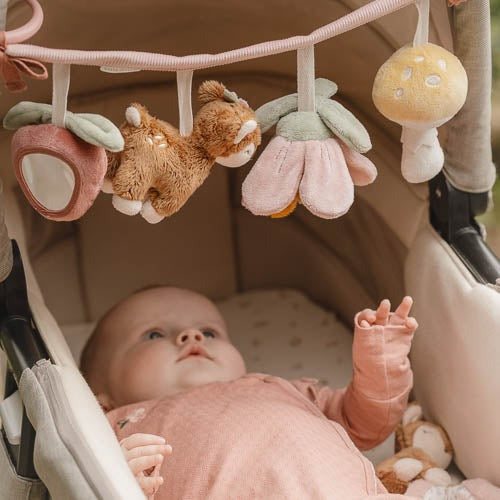
Bright pastels are taking a back seat in 2026, making way for calmer, nature-inspired colour palettes. Think sage green, warm oat, soft clay, muted blues and gentle terracotta tones. These shades create a soothing environment that supports rest and routine, while also feeling sophisticated enough to age beyond the baby years.
Parents are increasingly choosing colours that won’t need replacing as their child grows, favouring longevity over novelty. Earthy palettes also pair beautifully with natural materials, helping to create nurseries that feel warm, grounded and intentional.


A Shift Towards Sustainable Materials
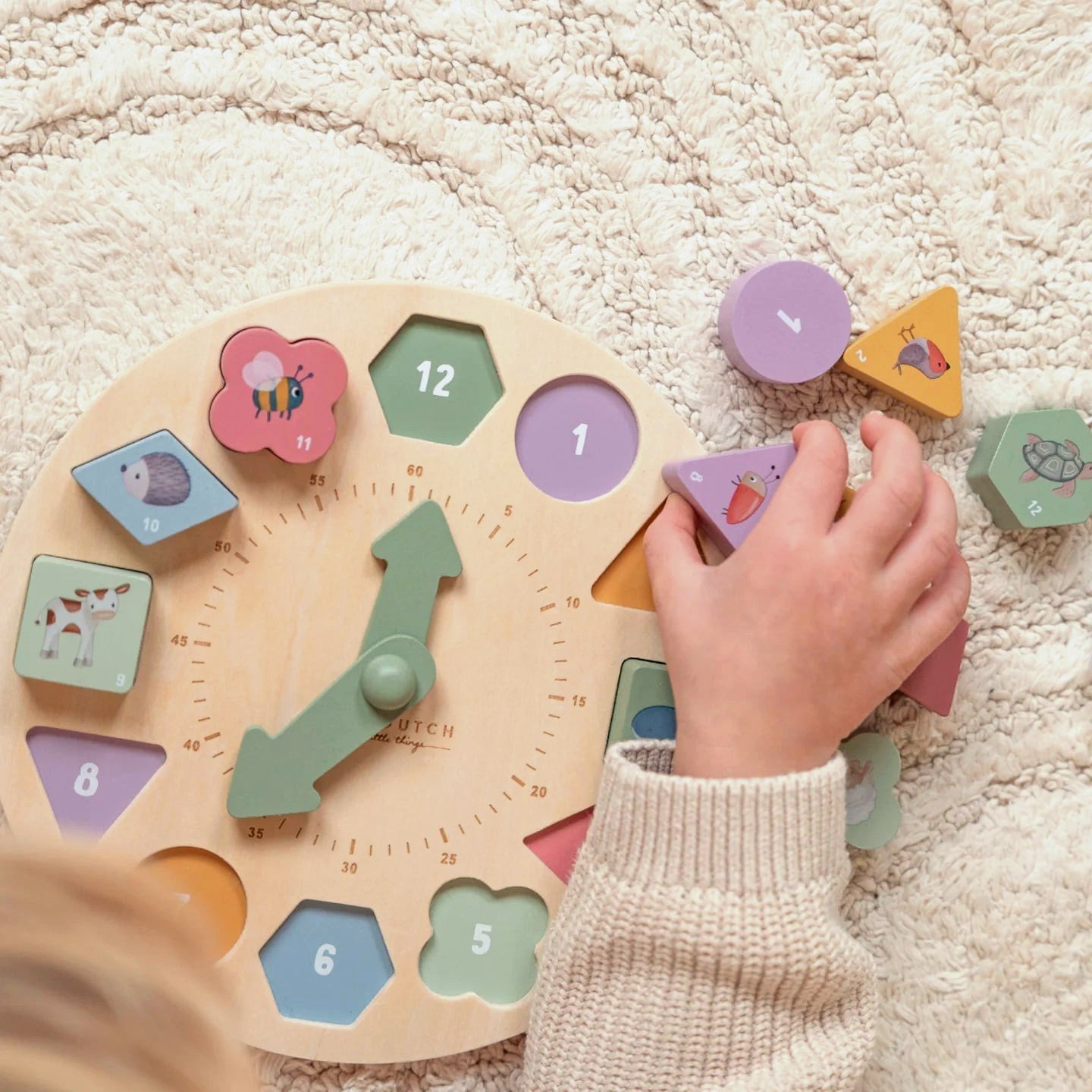
Sustainability continues to be more than just a buzzword in the baby space. In 2026, parents are becoming increasingly conscious of what products are made from, prioritising natural, low-tox and responsibly sourced materials. Solid wood furniture, organic cotton textiles, wool blends and low-VOC paints are now seen as investments rather than luxuries.
There’s also a growing appreciation for quality over quantity, choosing fewer, better-made items that can be reused, passed on or repurposed. This shift not only supports a more sustainable lifestyle, but also results in nurseries that feel calmer and less cluttered.
Warm Minimalism & Layered Texture
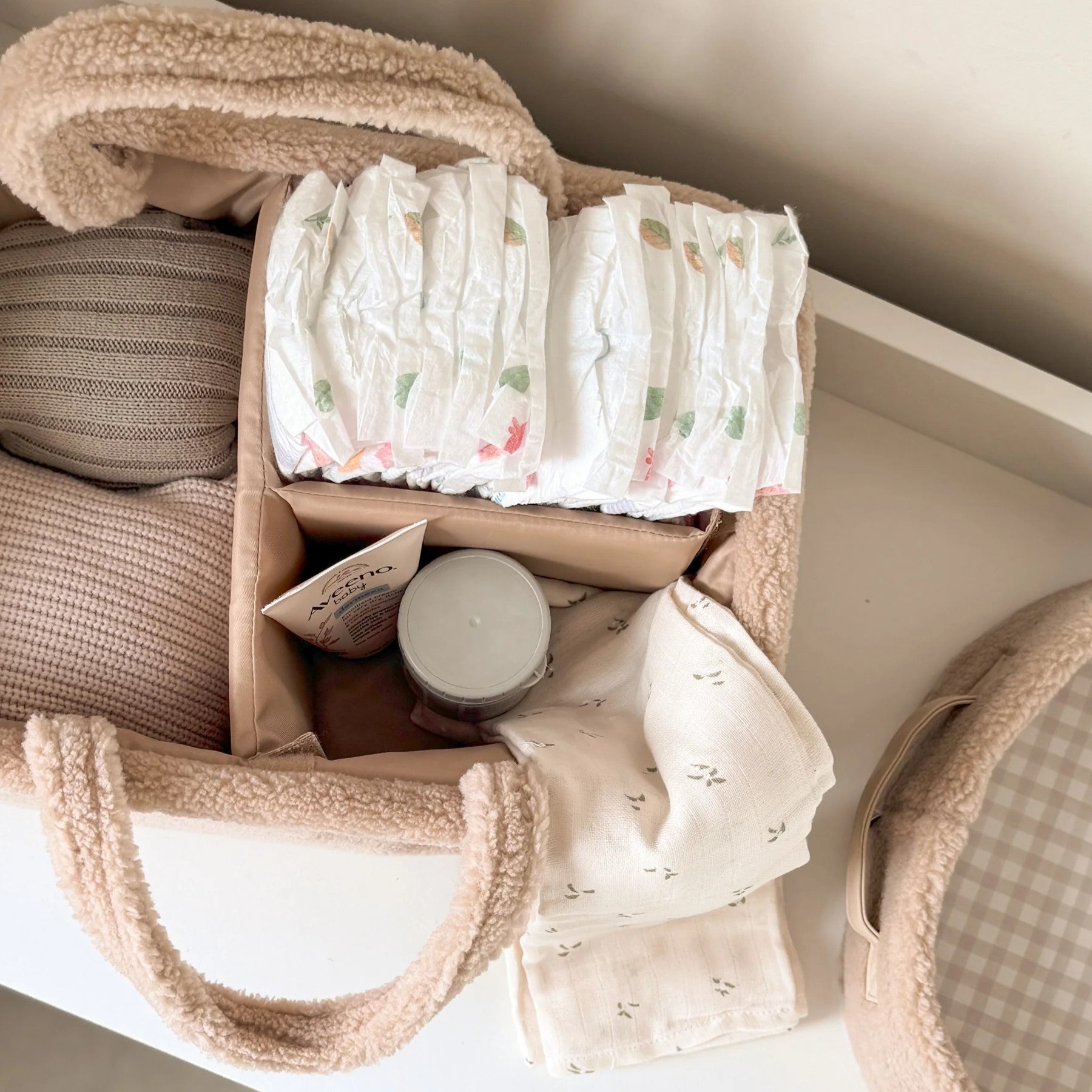
Minimalist nurseries are evolving. Rather than stark or overly neutral spaces, 2026 is all about warm minimalism, clean foundations layered with texture and tactile detail. Woven baskets, boucle cushions, soft rugs and linen finishes add depth and comfort without overwhelming the room.
This approach allows playful elements to shine while maintaining a sense of calm, which is essential in spaces designed for sleep, play and downtime.


Designing Rooms That Grow With Your Child
One of the most important shifts we’re seeing is a move towards future-proofed nursery design. Parents are increasingly investing in furniture and décor that can adapt as their child grows, from convertible cots and modular storage to neutral wall treatments that won’t need replacing within a year.
Multi-functional spaces are key, rooms that comfortably support sleep, play, reading and learning. The focus is on flexibility and longevity, reducing the need for constant updates as children move through different stages.
What’s Worth Buying Into for 2026
Rather than following fleeting trends, 2026 encourages more intentional purchasing. The focus is on design choices that feel timeless, adaptable and considered, items that will continue to work as your child grows.
- Patterns with longevity such as stripes and soft geometrics are proving to be a smart investment. They add visual interest without feeling age-specific or overly trend-led.
- Neutral, earthy colour palettes remain central, offering a calm foundation that can evolve over time with simple accessory updates.
- High-quality, sustainable materials are increasingly prioritised, with parents opting for natural fibres, responsibly sourced wood and well-made pieces designed to last.
- Furniture designed for long-term use, including convertible cots and modular storage, continues to be a key focus, supporting both practicality and sustainability.
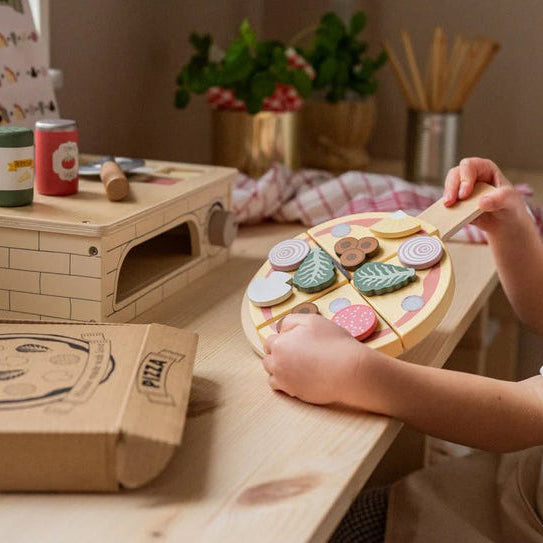
- Textured, layered décor is replacing novelty themes, creating spaces that feel warm, balanced and personal rather than overly styled.
What to Be More Cautious Of
As trends become more considered, there are a few areas where restraint pays off.
Overly themed décor can date quickly and often limits how a space can grow or be refreshed over time.
Trend-led colours may feel exciting initially, but can be difficult to update or live with long-term.
Short-term furniture choices without adaptability often lead to unnecessary replacements, both costly and unsustainable.
As 2026 unfolds, baby trends are clearly moving towards thoughtful design choices that balance style, function and longevity. For parents, it’s less about chasing trends and more about creating spaces that feel calm, personal and built to last, something we believe will always be in style.
As 2026 unfolds, baby and nursery trends are evolving towards thoughtful, sustainable design choices that balance style, function, and longevity. Unlike fleeting fads, parents are embracing timeless patterns such as stripes and soft geometrics that add subtle visual interest without overwhelming a room. Earthy, neutral colour palettes, think sage greens, warm terracotta, and muted blues, are replacing bright pastels, creating calm, restful spaces that grow with children beyond their nursery years.
Sustainability remains central, with a growing emphasis on natural, non-toxic materials like solid wood, organic cotton, and low-VOC paints. Parents are investing in fewer, better-quality pieces designed to last, which supports both environmental responsibility and a clutter-free nursery.
Warm minimalism is shaping nursery aesthetics, combining clean, simple foundations with layered textures such as woven baskets, boucle cushions, and soft rugs for a cosy yet uncluttered environment. Multi-functional and adaptable furniture is key, allowing rooms to evolve as children move from infancy through early childhood.
The blog highlights what’s worth investing in for 2026: timeless patterns, earthy colours, sustainable materials, long-lasting furniture, and textured décor. It also advises caution around overly themed décor, trend-driven colours, and short-term furniture choices that don’t adapt. Ultimately, 2026’s baby trends focus on creating calm, personal, and enduring spaces that parents and children will love.